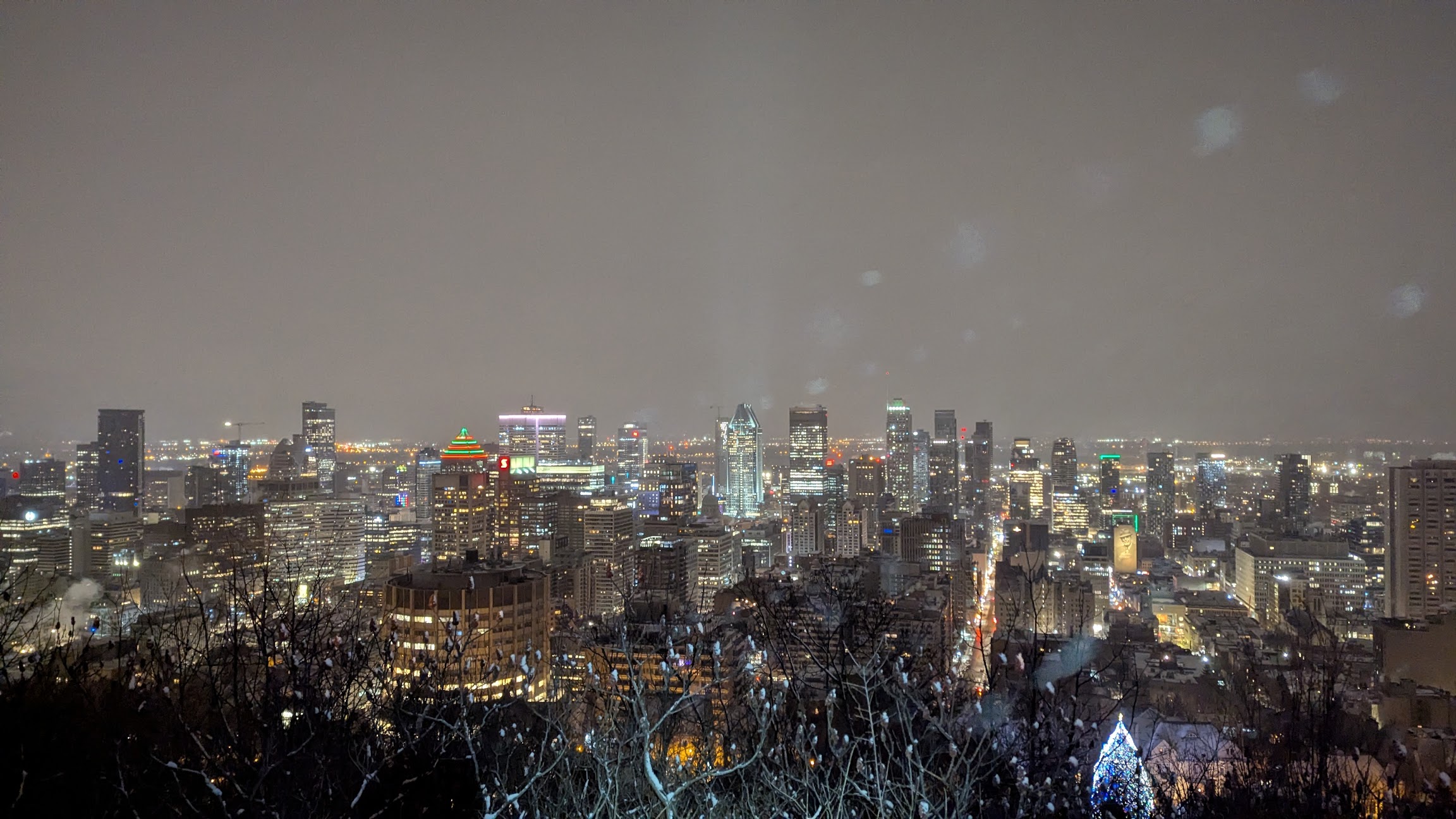
Portsmouth, UK
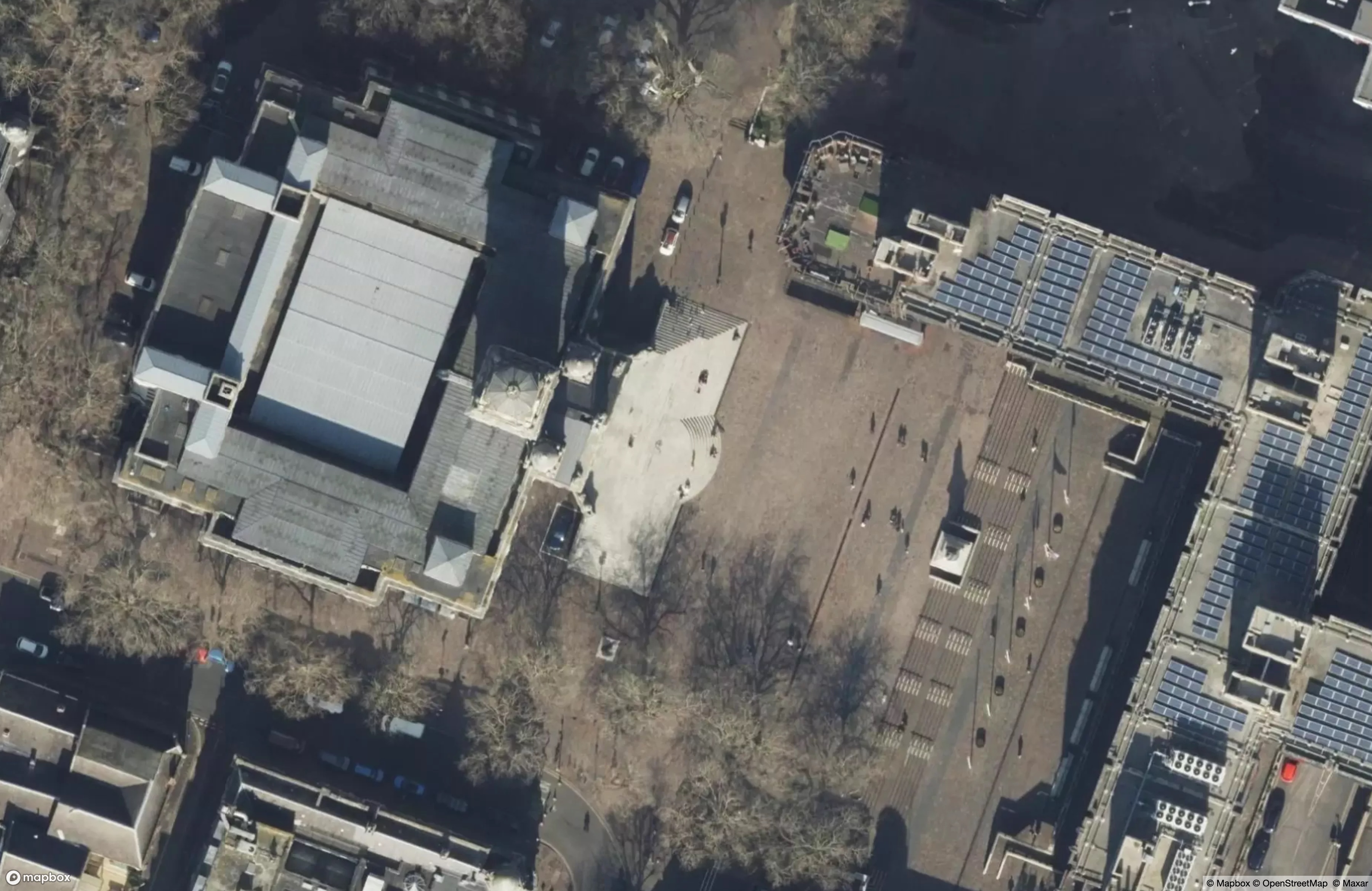
Though the Christmas tree was first imported to the English-speaking world by the House of Saxe-Coburg and Gotha, Charles Dickens tends to get the credit for bottling up and distributing the seasonal vibe that we still use to celebrate the holiday in all corners of the former empire. So it is appropriate at the turn of the year to consider the statue of him that stands in front of the Guildhall in the city of his birth: Portsmouth.
Dickens was an amazing salesman of his own - admittedly excellent - product. He took maximum advantage of the press of the day, of the serial format, and of the furious wars between publishing houses. He loomed large over English literature even while he was alive, and continues to do so today; Zadie Smith tried her damndest to leave him out of her period novel The Fraud, but in the end had to capitulate and include the inveterate attention-hound.
That he was a showman is undeniable; he toured the world performing dramatic readings of his works, to rapt audiences. And in these travels he crossed my path, in a sense. In his travelogue American Notes, while traveling from Montreal to New York, he had three words for my city:
There is one American boat - the vessel which carried us on Lake Champlain, from St. John’s to Whitehall . . . this steamboat, which is called the Burlington, is a perfectly exquisite achievement of neatness, elegance, and order. The decks are drawing-rooms; the cabins are boudoirs, choicely furnished and adorned with prints, pictures, and musical instruments; every nook and corner in the vessel is a perfect curiosity of graceful comfort and beautiful contrivance . . . By means of this floating palace we were soon in the United States again, and called that evening at Burlington; a pretty town, where we lay an hour or so. We reached Whitehall at six next morning.
“A pretty town” 😊
Lake Urru, Tibet
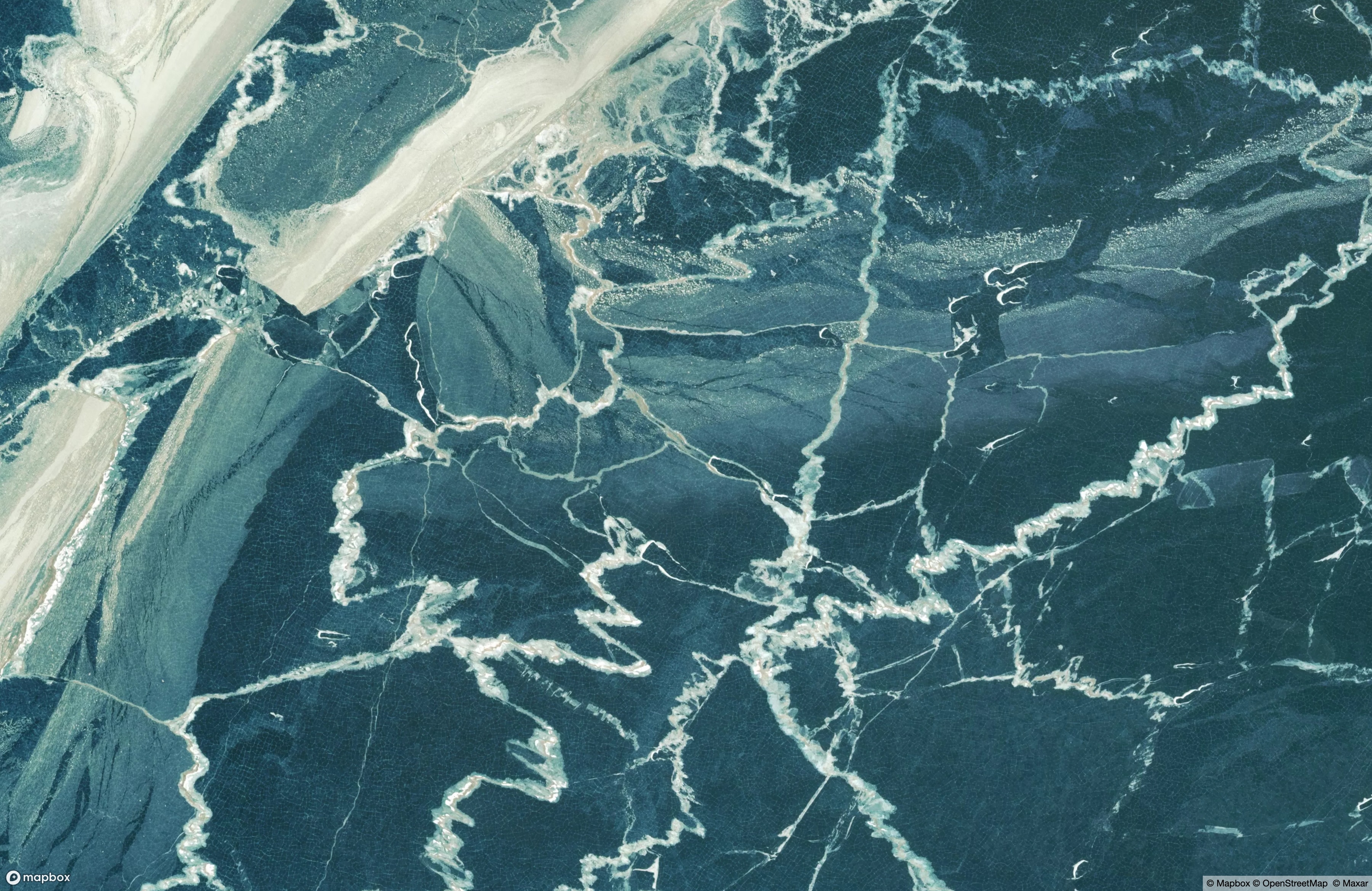
Ice is winter’s best magic. Sure, it’s not great to slip on in the streets, and it’s a bummer when it’s falling from the sky, but try instead to see it in the landscape perspective. On a body of water, ice is both ceiling and floor. It can be a traversable border between worlds. It contains landmarks, paths, barriers, all constantly shifting at minute speed. This view of a frozen lake on the Tibetan Plateau was obsolete the next day as new runnels formed, as the reflectiveness changed by melting or deepening of the surface.
Ice is temporary geography.
This is all to say that on the morning of New Year’s Eve 2025, a friend suggested we get out for a skate on a flash-frozen Lake Champlain in Vermont. So we bundled up and navigated the window-surface, seeing silver Perch swimming four inches down from our blades, while the spindrift swept topside.
Montreal, Canada
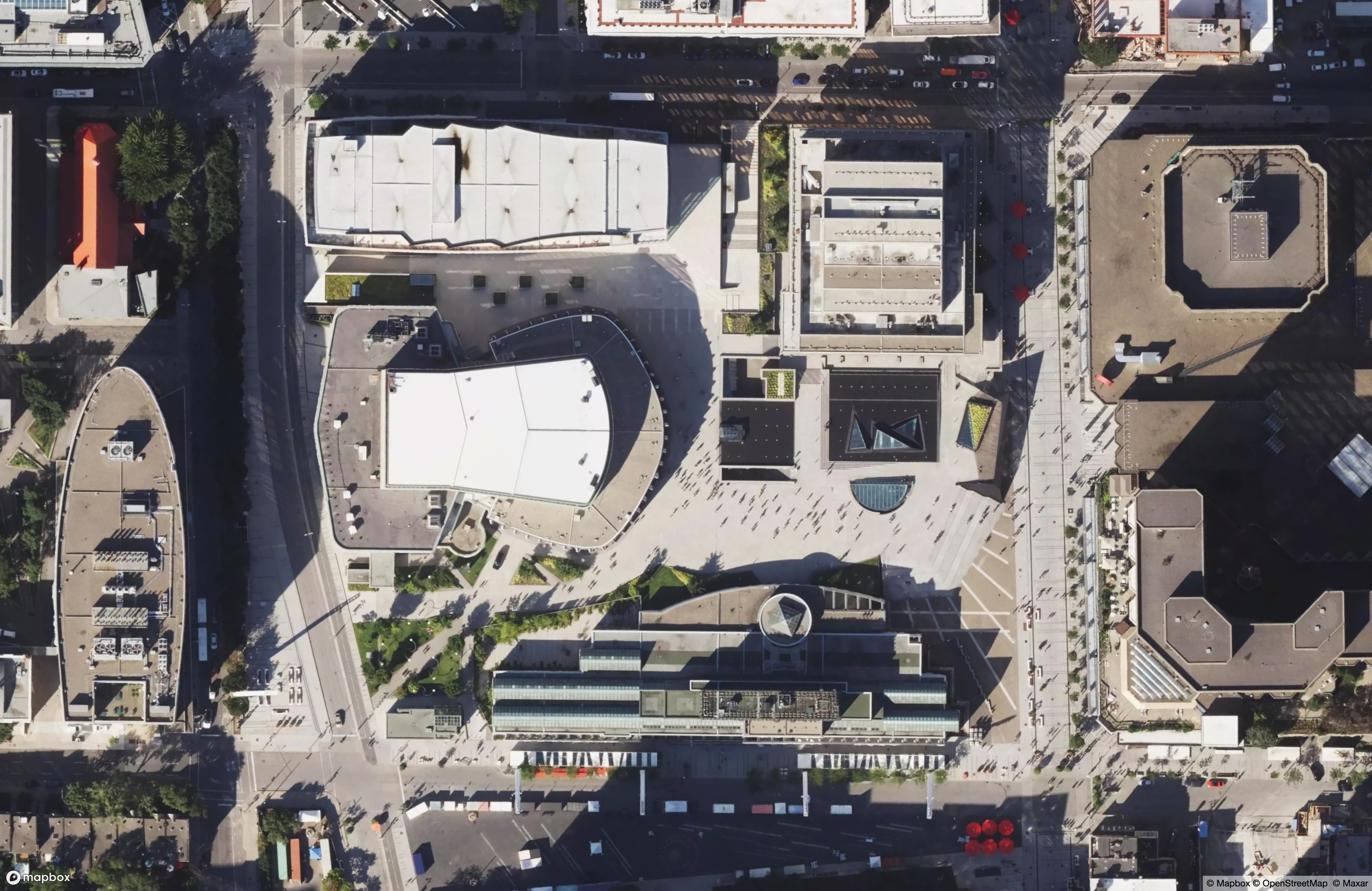
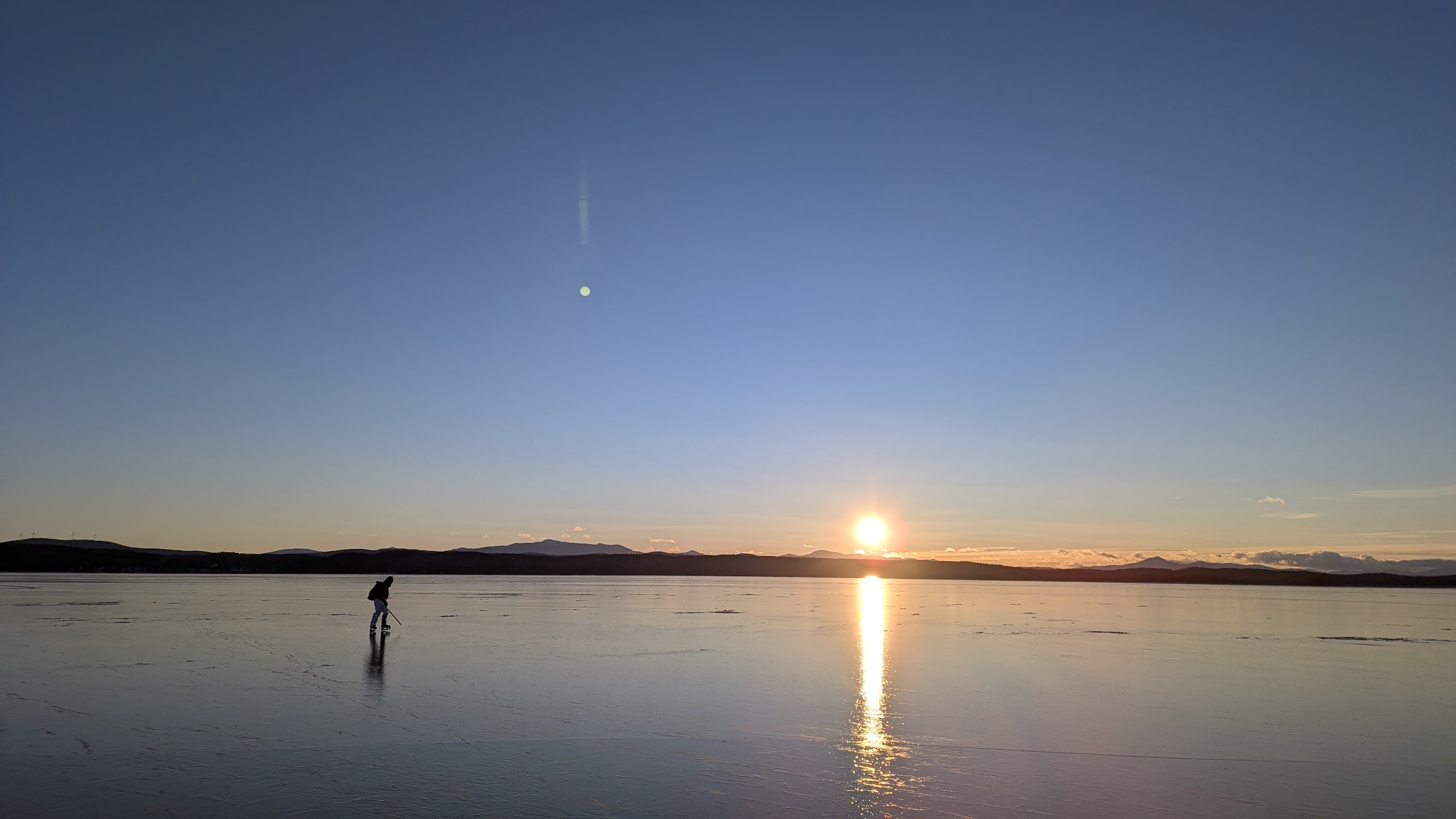
Speaking of the city from which Dickens was embarking, This New Year’s Day 2026 I am more or less in this image, a summer capture of the Place des Arts in Montreal, Quebec. This is my family’s spot for the festivities, in part because it’s at the center of our nearest big city, but also because Montreal is so good at living through the deep cold parts of the year. Probably for reasons of colonial culture long settled, South of the border we stoically endure winter. But in Montreal they seem to celebrate it, and so it’s the most appropriate place we can think of to welcome 2026 in the coldest, darkest times: with lights, with fire, with warmth, and with hope.