Barenstburg, Svalbard
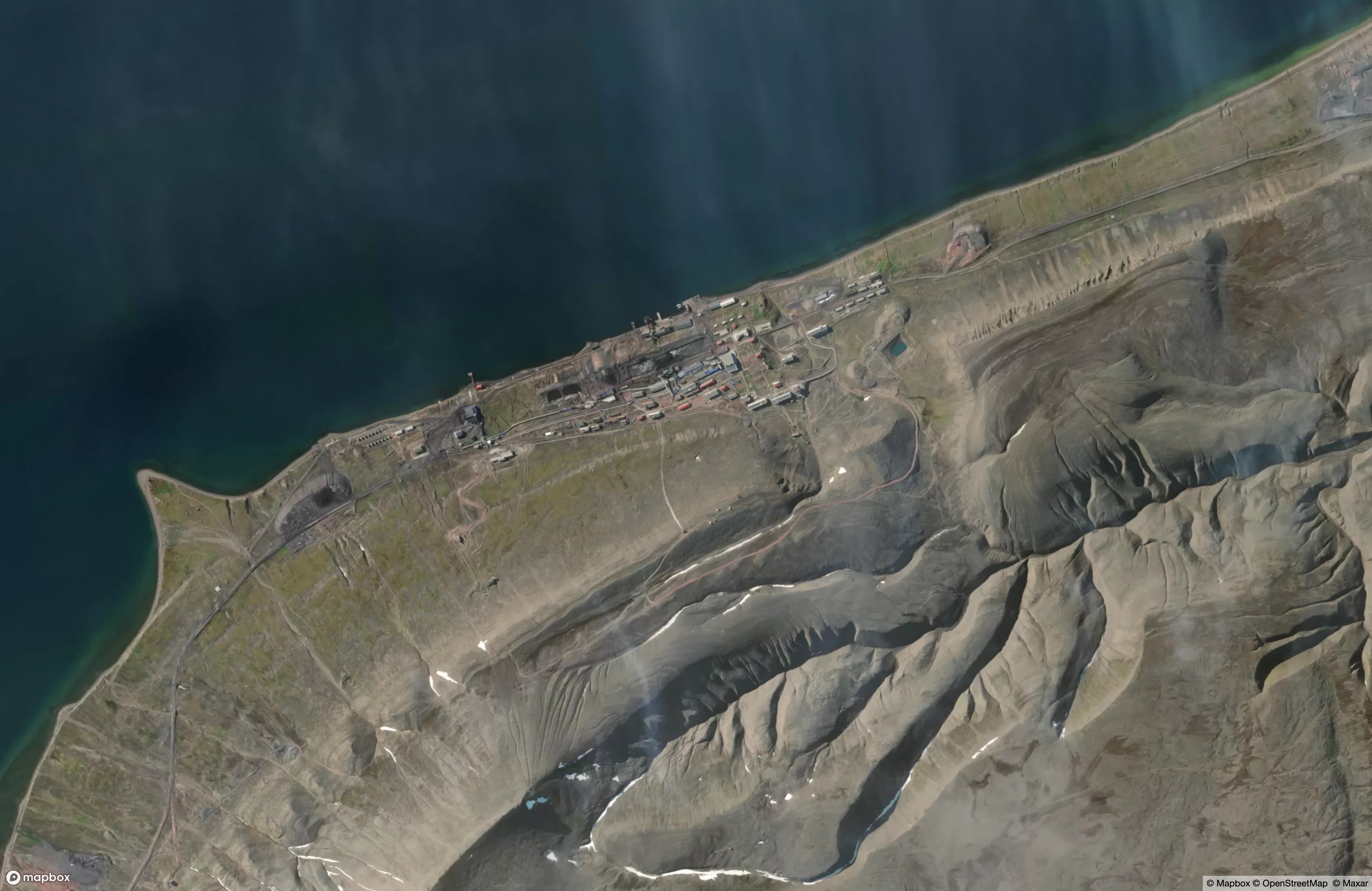
Svalbard is a funny place. Anyone can go there, but almost no one can stay there. The territory is demilitarized, but the polar bear population is curious enough that the human population is required to carry rifles at all times outside of the handful of towns. Officially under Norweigian control, it has hosted settlements and economic ventures by The Netherlands, Sweden, Britain, Poland, The United States, and - notably - Russia.
Barentsburg is a company town of the Russian state coal mining company Arktikugol, which as of last year no longer operates any coal mines there. Served by a Norweigian postcode and a Russian consulate, the town is a still-inhabited relic of the Soviet era, adorned with USSR flags, and featuring a prominent Lenin statue. However it is with a nod to the present, and to the twisted geopolitics of the Arctic, that you can get a credible American Pale Ale at the Red Bear Pub and Brewery in Barentsburg, from Menus in Russian and English, but not Norweigian.
Split, Croatia
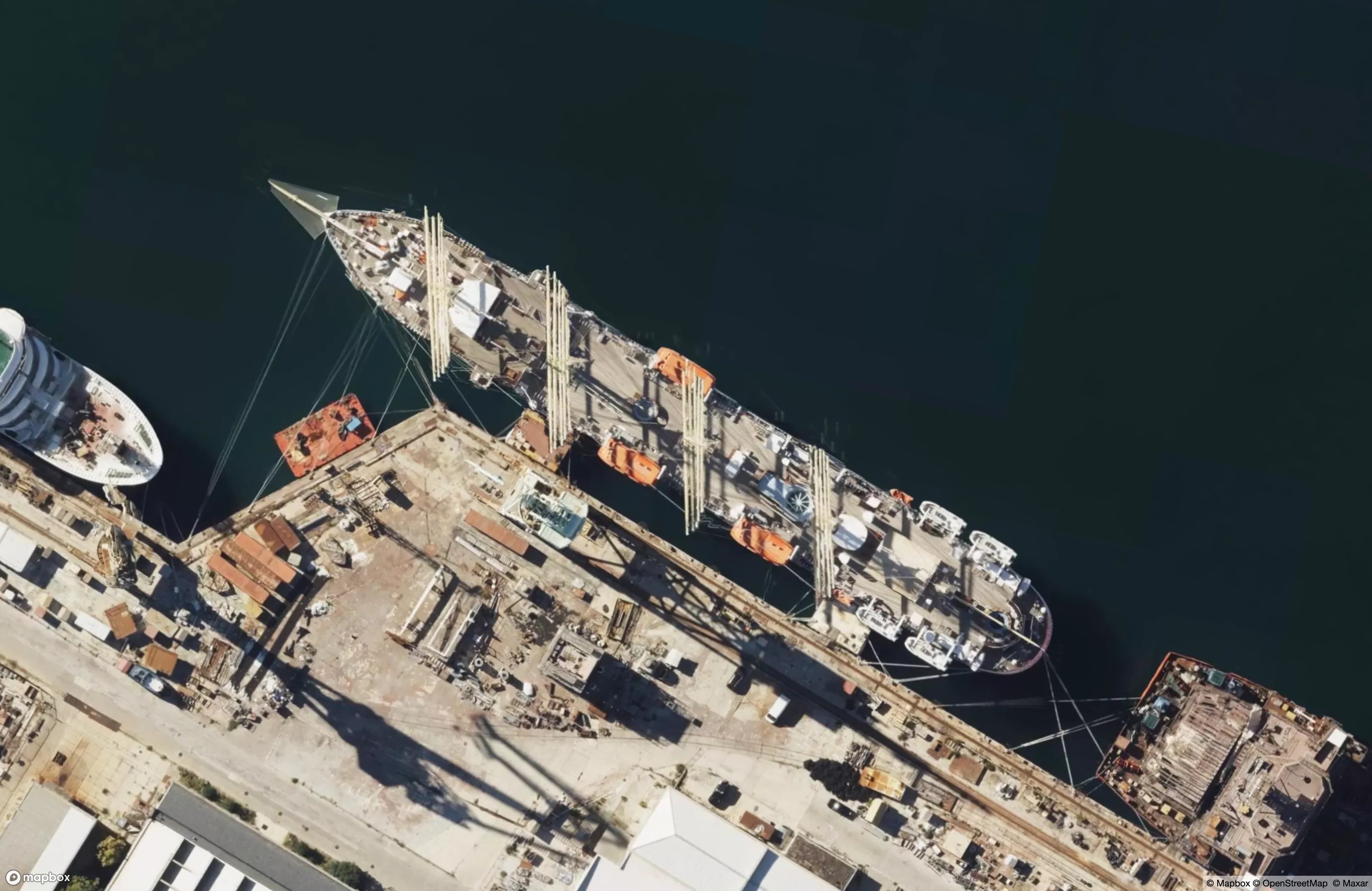
The largest sailing ship of all time - the Flying Clipper - was built in the Brodosplit shipyard, in Split, Croatia, in massive drydocks. With five masts soaring over a steel hull, three onboard swimming pools, five bars, and capacity for hundreds of passengers and crew, she was meant to be a cruise liner hearkening back to the golden age of sail, but with all the luxuries of the modern era.
Unfortunately, the owners ran into money trouble. The original cost went unpaid, a new company took over and renamed her the Golden Horizon, she sailed to the UK, where she was seized by local authorities because the new owners had more money troubles, and eventually she was returned to her port of origin, where she now sits, awaiting payment of her ransom. So if you’ve got a hundred million dollars or so to spare, you could own the mightiest sailcraft in the world.
Beijing, China
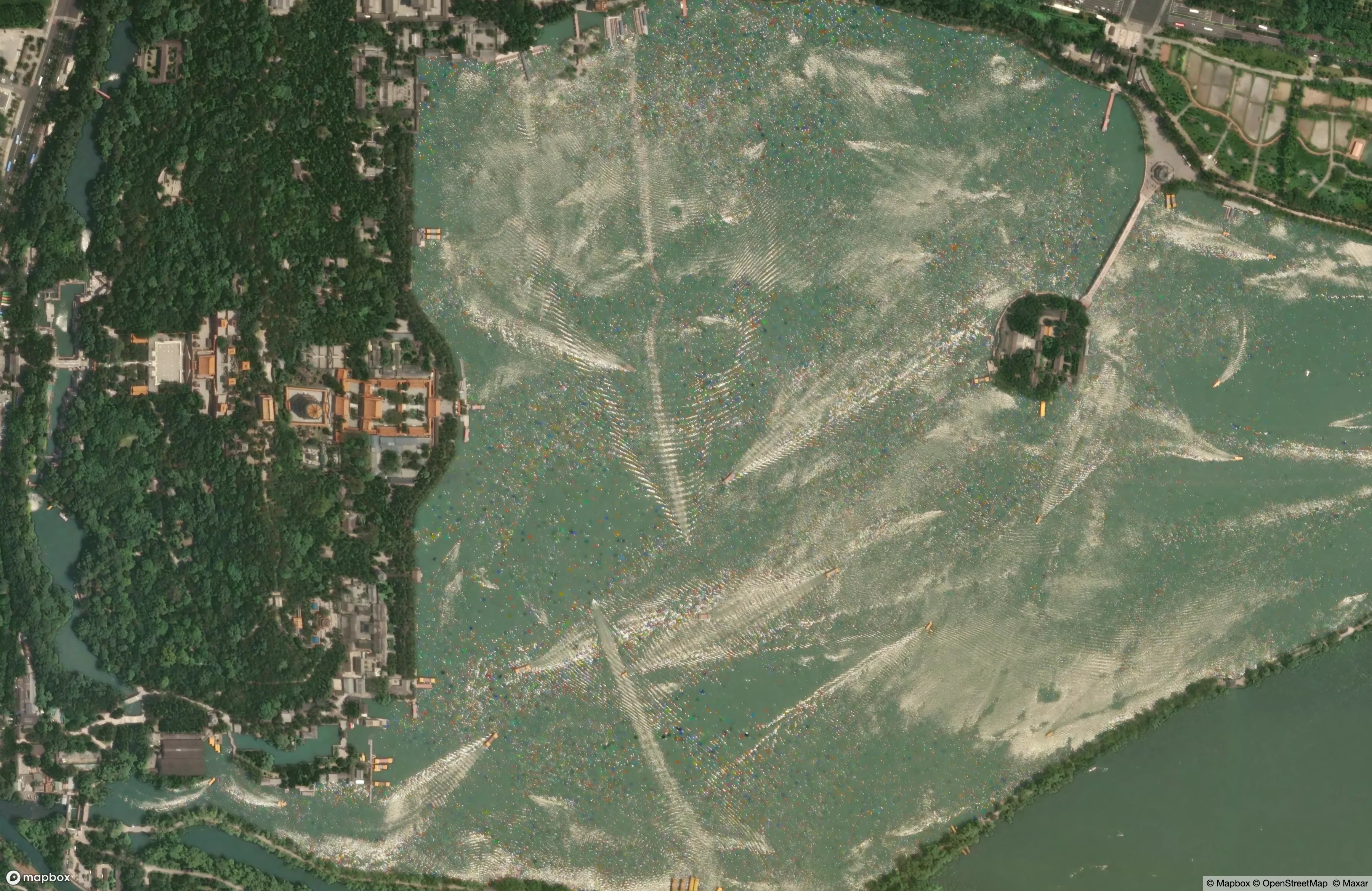
Frantically-recreating watercraft zip around the surface of Kunming Lake, in the midst of the grounds of The Summer Palace in Beijing. The palace - largely built in the 18th century under the Qing Dynasty - is a UNESCO world heritage site, recognized for its classical landscape architecture, full of influences from all parts of China.
The palace was destroyed in 1860 during the second opium war, by French and British forces who were . . . ehrm . . . enforcing the free trade of pharmaceutical products. Rebuilt in the 1890s, it was again razed in 1900 during the Boxer Rebellion, this time by troops from eight European and American allies who were . . . ahhh . . . acting in a peacekeeping capacity. It was again repaired and restored, and has remained a public park more or less continually ever since.
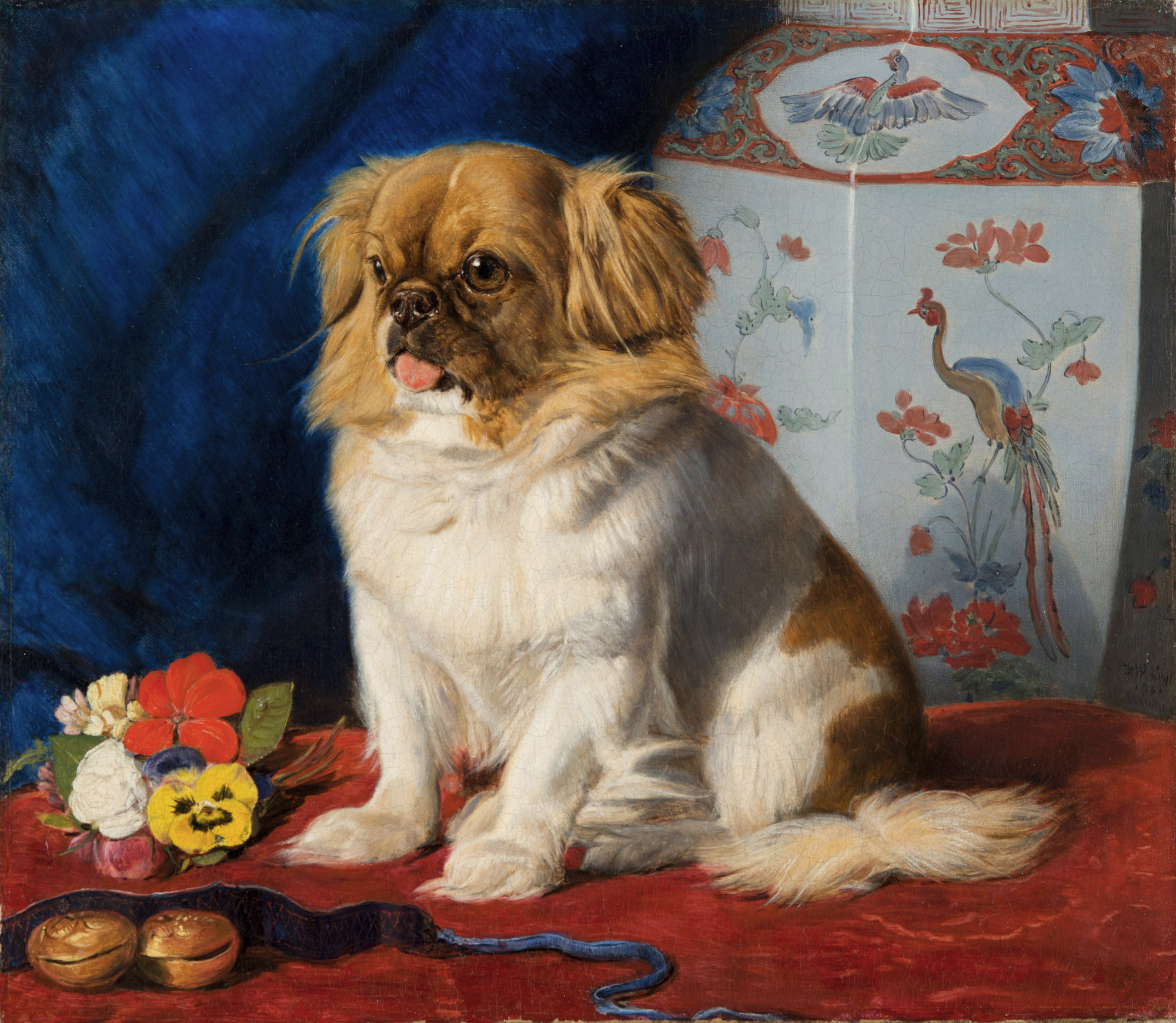
During that first . . . unfortunate misunderstanding . . . in 1860, the British commissioner to China was James Bruce, 8th Lord Elgin. You may recognize that name, but don’t worry, it was his father who looted the Elgin Marbles from the Acropolis and stashed them in the British museum, where they remain to this day to the consternation of Greece. Not wanting to fail the family tradition, it was Elgin the younger who ordered the burning of the Summer Palace to force Qing capitulation, directing his troops to liberate one or two items along the way. One of these was a Pekingese dog presented to a delighted Queen Victoria, who added her to the royal dog collection and named her “Looty”. I did not make that up.
Cover image: Looty, painted by Friedrich Wilhelm Keyl
#/media/File:Friedrich_Wilhelm_Keyl_-_Looty_(1861).jpg)